
How to Maintain Your Vehicle Like a Pro
If you have recently had your vehicle protected, or you just want to look after it properly, this is for you. These are the actual methods and products we use in the shop. Follow them and your vehicle stays looking the way it did when it left.
The short version: what damages paint is usually not the driving. It is the washing.
The Exterior Essentials
Car shampoo designed for automotive paint
We recommend Meguiar’s Hyper Wash or Feynlab Pure Wash.We do not stack cars up and rush them through. A correction and coating job can take days, and it gets the days it needs
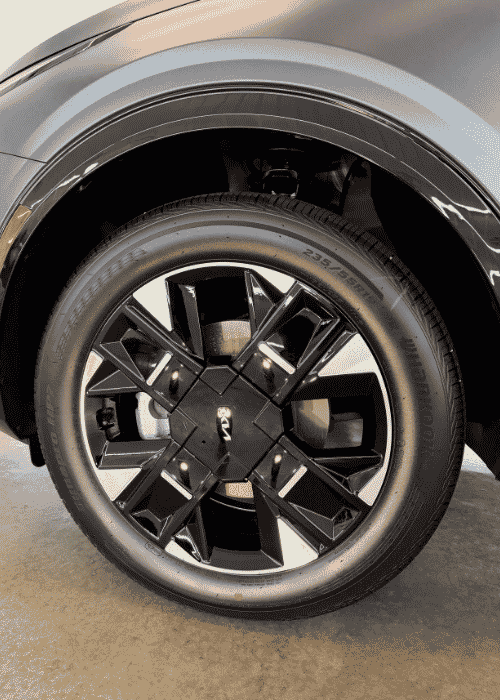
Wheel cleaner
For non-coated wheels, a normal dedicated wheel cleaner. For wheels that have a coating, use normal car shampoo instead — a dedicated wheel cleaner is harsher than a coated surface needs.
five-gallon buckets with grit guards
One for paint and your wash mitt, one for wheels and brushes. The grit guards are the point: they keep the dirt you have just removed at the bottom of the bucket instead of back on your mitt.
Microfiber wash mitt and microfiber drying towel
A dedicated car dryer or blower is also worth having for touch-free drying and for getting water out of crevices — especially if your vehicle is coated.
Separate wash mitt, soft-bristle wheel brush and stiff tire brush
Wheel tools never touch paint. Ever.
Quick detailer or ceramic topper
Essential for easy, on-the-go maintenance. Most quick detail products are decent. We use a custom quick detailer in the shop alongside a ceramic topper, Technicians Choice 582.
Exterior Cleaning Steps
Prepare your buckets
Place grit guards in both buckets. Fill one with water for your wash mitt and paint, the other with water for wheels and brushes. Add a couple of ounces of car shampoo to each — this adds lubricity to the tools sitting in them.
Pre-rinse the vehicle
Rinse the entire car thoroughly. This removes loose dirt and debris so you are not rubbing it into the paint or wheels during washing. A pressure washer or a hose with a strong spray works best.
Start with the wheels, wheel wells and tires
Always wash these before the body, to avoid splashing brake dust and grime onto paint you have already cleaned.
- Use a dedicated wheel cleaner on non-coated wheels
- Use normal car shampoo on coated wheels
- Rinse thoroughly
- Rinse door jambs as well if they are heavily soiled
Bug removal, if needed
We treat bug removal as its own step, because bugs are tedious and trying to do them as part of the main wash slows everything down. Work the windshield, mirrors and front of the vehicle with a mitt or bug towel.
- If the vehicle is not coated, use a dedicated bug cleaner or all-purpose cleaner to loosen them
- If the vehicle is coated, normal car shampoo is enough
- If you used a bug cleaner, do a light rinse to neutralise it before moving on
Hand wash the paint, in straight lines
Take your soapy wash mitt and hand wash the remaining exterior surfaces. Straight lines. Light pressure.
- After each section, rinse your mitt in the clean water bucket before reloading with soap
- Wash small sections at a time so soap does not dry on the paint
- Our order: hood, fenders, bumper. Then the driver’s side of the roof, working down the entire driver’s side. Then the rear. Then the passenger side.
Dry the vehicle
- Use clean, plush microfiber drying towels to gently blot and wipe down the car
- Use the same process as washing — straight lines, panel to panel, in order
- Dry paint and glass first, then wheels, then door jambs
- A dedicated car dryer or blower is excellent for touch-free drying and for getting water out of crevices, especially on a coated vehicle
Final rinse
Rinse the entire vehicle thoroughly to remove all soap residue.
Extra Exterior Tips
Get your vehicle coated
This helps enormously with everything above. Coated surfaces are hydrophobic, which means far less of the dirt bonds in the first place, which means far less contact with your paint.
Use a quick detail spray or ceramic topper after washing
Whether your vehicle is coated or not, it is worth briefly going over it after a wash with an aftercare product. Technicians Choice 582 is a good one.
- On an uncoated vehicle, it adds instant gloss and water beading
- On a coated vehicle, it refreshes the coating
Dress the tires
A nice finishing touch. For dressing to look good, though, the tire itself has to actually be clean first. Apply dressing to an applicator, then to the tire — not directly onto the tire.
Shade is your friend
Wash in a cool, shaded area. Washing in direct sun dries soap and water onto the panel before you can remove it, which is how water spots form.
Keep towels and mitts separate
Do not cross-contaminate. A mitt that has touched a wheel should never touch paint.
Never use household cleaners
They degrade protection over time and can stain or damage surfaces. Dish soap in particular strips wax, sealant and coating performance.
The Interior Essentials
- Microfiber towels — several, kept separate for glass, plastics and seats
- Soft-bristle interior brush or detailing brush — for vents and crevices
- Vacuum, and ideally an air compressor as well, which makes vacuuming far more efficient
- Interior cleaner — for lightly dirty vehicles a quick detailer is enough; for heavily soiled interiors we use P&S Interior Cleaner
- Glass cleaner, ammonia-free to avoid damaging tint — we recommend Sprayway or Meguiar’s Professional Glass Cleaner
- Protectant or conditioner — a dedicated leather conditioner, or a ceramic topper product such as Technicians Choice 582
Interior Cleaning Steps
- Remove trash, personal items and floormats
Clear out any debris or clutter first. It makes everything after this faster and more thorough.
- Vacuum and blow out thoroughly
Start on the driver’s side. Vacuum loose debris in the doors and work your way into the interior. An air compressor is extremely helpful for blowing out crevices that a vacuum cannot reach.
- Use crevice tools for tight areas between seats, console and door pockets
- Do not forget under the seats
- Clean plastics, leather and floormats
Same order as vacuuming — start on the driver’s side and work around. A wet towel and a dry towel used together makes short work of cleaning residue.
- Use a clean microfiber towel with the appropriate interior cleaner on dash, console, door panels and trim
- For tight spots such as vents, buttons and seams, use a soft detailing brush lightly misted with cleaner
- Rubber floormats can take any suitable cleaner. Carpet mats just need vacuuming and wiping
- Clean the glass
Three towels. Towel one applies the cleaner and goes over the glass. Towel two wipes up the majority of the residue. Towel three makes sure there are no streaks.
- Use ammonia-free glass cleaner on interior windows, mirrors and infotainment screens
- Wipe in straight lines — up and down on one side, side to side on the other, so you can tell which side a smudge is on
- Protect surfaces (optional)
- Apply protectant to a towel, then wipe clean with a fresh microfiber
- This makes maintaining the interior easier over time
Extra Interior Tips
Use quick detail spray to stay ahead of it
The sealant on a Premier Detail holds up around four months. The ceramic topper on a Standard Detail holds up around one. If you want protection measured in years rather than months, that is a ceramic coating.
Use quick detail spray to stay ahead of it
The sealant on a Premier Detail holds up around four months. The ceramic topper on a Standard Detail holds up around one. If you want protection measured in years rather than months, that is a ceramic coating.
However your vehicle is protected, how you wash it between visits matters more than most people expect. We have written up exactly how we do it.
Frequently Asked Questions
How often should I wash a ceramic coated car?
Every two weeks is a reasonable rhythm for most people, and more often through winter when road salt is on the roads. A coating makes washing easier, not unnecessary.
Can I take a coated car through an automatic car wash?
We would strongly advise against it. Brush washes are the single biggest cause of swirl marks, and a coating does not make paint immune to them. If you must use one, touchless is far less damaging than brushes.
Can I use dish soap to wash my car?
No. Dish soap is designed to strip oils, and it strips wax, sealant and coating performance along with them. Use a proper automotive shampoo.
Why does my coated car still get water spots?
Water spots come from minerals in the water, not from a failure of the coating. Drying the vehicle rather than letting it air dry, and washing in shade rather than direct sun, prevents most of them.
Do I need all of these products to start?
No. A proper automotive shampoo, two buckets with grit guards, a microfiber mitt and a plush drying towel will get you most of the way. Everything else is refinement.